


As the crisp air of fall settles over mountain communities, the shift in seasons brings both beauty and responsibility. Living sustainably in mountainous regions requires thoughtful planning and adaptive practices that honor the land, conserve resources, and support resilient lifestyles. From managing water sources to optimizing energy use and preserving fragile ecosystems, mountain dwellers face unique challenges—and opportunities. This blog explores practical strategies for sustainable mountain living, focusing on energy, water, and land stewardship that extend well beyond autumn. Whether you're a homeowner, realtor, or nature enthusiast, these insights will help you align your lifestyle with the rhythms of the mountains.

Sustainable Energy Solutions for Mountain Homes
Renewable Energy Options for High-Altitude Living
Mountain homes often face limited access to traditional energy grids, making renewable energy a vital solution. Solar panels, despite shorter daylight hours in fall, remain effective due to high-altitude sun exposure. Wind turbines, especially in exposed ridgelines, can supplement energy needs during gusty autumn days. Micro-hydro systems are ideal for properties near flowing streams, offering consistent energy with minimal environmental impact.
Key practices include:
- Installing solar arrays with battery storage for off-grid reliability.
- Using passive solar design to maximize natural heating.
- Investing in energy-efficient appliances and LED lighting.
- Exploring community-shared renewable energy programs.
Energy Conservation Tips for Fall and Winter
As temperatures drop, energy demand rises. Insulating walls, roofs, and windows is essential to reduce heating costs. Smart thermostats help regulate indoor temperatures efficiently. Firewood from sustainable sources can be a renewable heating option, especially when paired with EPA-certified stoves.
Additional tips:
- Seal air leaks around doors and windows.
- Use thermal curtains to retain heat.
- Schedule HVAC maintenance before winter.
- Switch to low-energy modes on electronics and appliances.

Water Management Strategies in Mountain Regions
Protecting and Conserving Water Sources
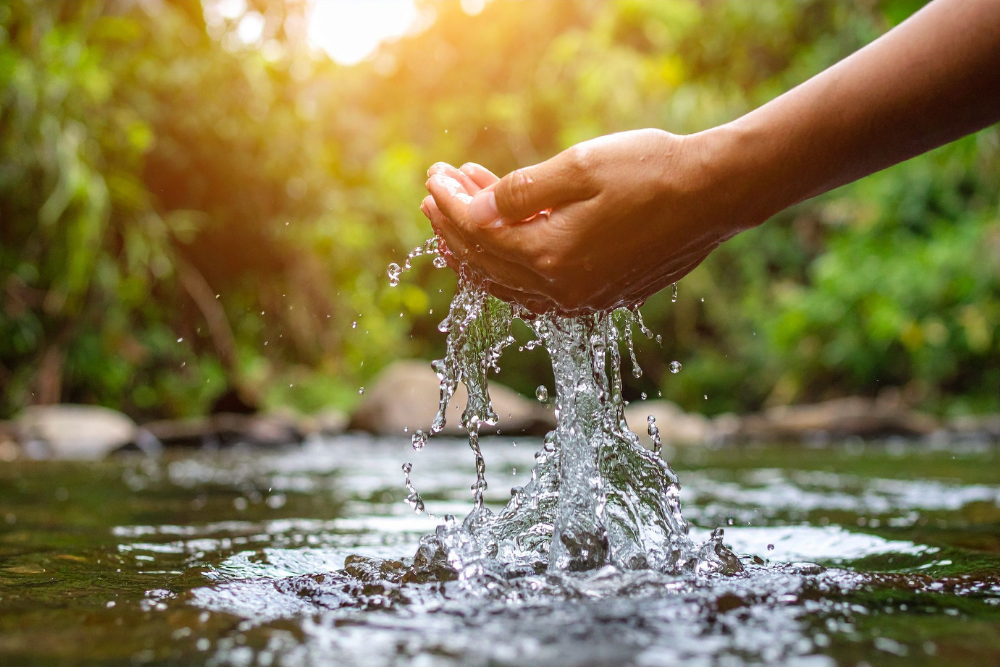
Mountain communities often rely on springs, snowmelt, and rainwater for their water supply. With climate change affecting precipitation patterns, safeguarding these sources is critical. Rainwater harvesting systems can collect and store water for irrigation and household use. Greywater recycling helps reduce freshwater consumption by reusing water from sinks and showers for landscaping.
Best practices include:
- Installing rain barrels and filtration systems.
- Maintaining watershed health through native vegetation.
- Monitoring water quality regularly.
- Educating residents on responsible water use.
Preparing for Seasonal Water Shifts
Fall is a transitional period where water availability can fluctuate. Preparing for winter means ensuring pipes are insulated to prevent freezing and checking for leaks that could worsen in cold conditions. It's also a good time to assess snowpack forecasts and plan water usage accordingly.
Tips for readiness:
- Winterize irrigation systems.
- Store emergency water supplies.
- Use mulch to retain soil moisture in gardens.
- Coordinate with local water authorities for seasonal updates.
Land Stewardship and Eco-Friendly Practices
Sustainable Landscaping and Erosion Control
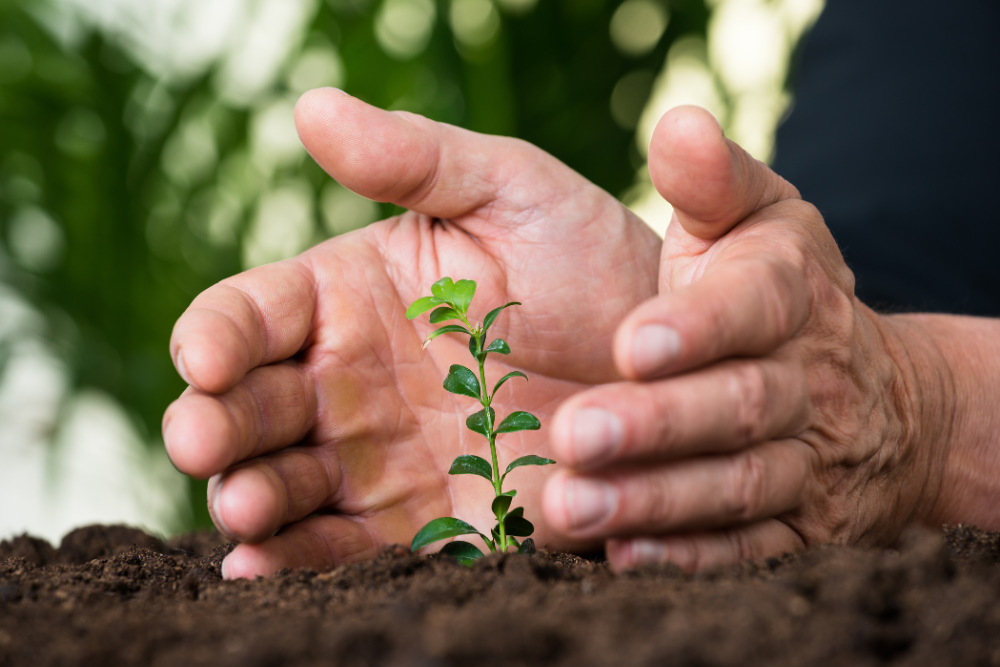
Mountain terrain is prone to erosion, especially during seasonal transitions. Sustainable landscaping using native plants helps stabilize soil and supports local biodiversity. Terracing and contour planting reduce runoff and improve water retention. Composting organic waste enriches soil health without synthetic fertilizers.
Land care strategies:
- Plant native grasses and shrubs.
- Build swales to direct water flow.
- Avoid overgrazing and deforestation.
- Use permeable materials for pathways and driveways.
Building Resilience Through Community and Policy
Sustainable mountain living isn't just about individual choices—it thrives through community collaboration and supportive policies. Local governments and realtors can promote eco-friendly building codes, incentivize renewable energy adoption, and support conservation initiatives. Community gardens, shared composting programs, and educational workshops foster collective stewardship.
Ways to engage:
- Join local sustainability groups.
- Advocate for green zoning laws.
- Support eco-tourism and responsible development.
- Partner with realtors who prioritize environmental values.
Ready to embrace sustainable mountain living this fall and beyond? Whether you're buying, selling, or simply improving your mountain home, these practices can make a lasting impact. Connect with a local eco-conscious realtor today to find properties that align with your values and lifestyle.